Sexuality during menopause: you don't have to lose yourself ❤️
By Simone from Happytoys
Fortunately, people are talking more and more about the menopause. Hot flashes, poor sleep, mood swings, and hormonal changes come up regularly. But there is one subject that is still remarkably little discussed openly: sexuality during and after the menopause.
And that is precisely an area about which there is much to be said.
Because your body may be changing, but that absolutely does not mean that intimacy, desire, and pleasure have to disappear. Moreover, the experience varies enormously from woman to woman. Some women notice less desire for sex, others experience more freedom or self-confidence, and still others notice hardly any difference. The Menopause Society therefore emphasizes that there is no fixed “norm” for sexual activity or desire.
I am Simone from Happytoys and in this blog I want to talk about a topic that, in my opinion, deserves much more attention: sex, intimacy, and pleasure during the menopause.
What happens to sexuality during the menopause?
During the menopause, the hormone balance changes. The decline in estrogen in particular can affect the vagina and vulva. As a result, dryness, less elasticity, and pain or discomfort during sex can occur, among other things.
But sexuality is, of course, much more than hormones.
Desire can change
Some women notice that their libido decreases. This can be related to hormonal changes, but also to fatigue, poor sleep, stress, changes in body image, or relationship problems.
And there is another side to it as well.
Not everyone experiences less sexual desire during or after the menopause. Some women actually experience more sexual freedom and self-confidence.
“There is no standard to meet when it comes to sexual activity and desire.”
— The Menopause Society
I personally think that is a wonderful message. You don't have to compare yourself with other women.
Vaginal dryness: a common problem
One of the most common sexual changes around the menopause is vaginal dryness.
Due to the decrease in estrogen, the vaginal tissues can become thinner and less elastic, and natural lubrication can decrease. This can make sex less comfortable or even painful.
Lubricant can help
A good lubricant can reduce friction and make sex more comfortable. The Menopause Society mentions water-based, silicone-based, and certain oil-based lubricants as options for dryness.
My tip from Happytoys: don't wait until sex becomes uncomfortable before you try lubricant. It can be a great addition to make touch smoother and more pleasant.
Moreover, a lubricant does not have to be used only for penetration. It can also be pleasant during intimacy, massage, or exploring yourself.
Sex doesn't have to revolve around penetration
Rediscover what you enjoy
When certain forms of sex become less comfortable, it can be interesting to look at the idea of sex a bit more broadly.
Kissing, touching, massaging, masturbating together, or exploring what feels good on your own: everything that you experience as intimate and pleasant counts.
There is no mandatory path to sexuality.
Masturbation can be a beautiful voyage of discovery
Discovering for yourself what your body enjoys can help you reconnect with your sexuality.
You might notice that you need more time to get aroused. Maybe certain touch feels different than it used to. Or maybe you are discovering new ways to experience pleasure.
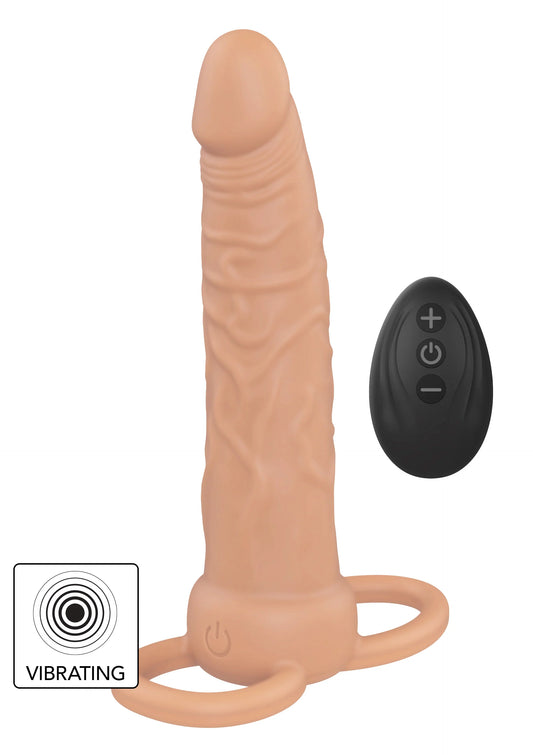
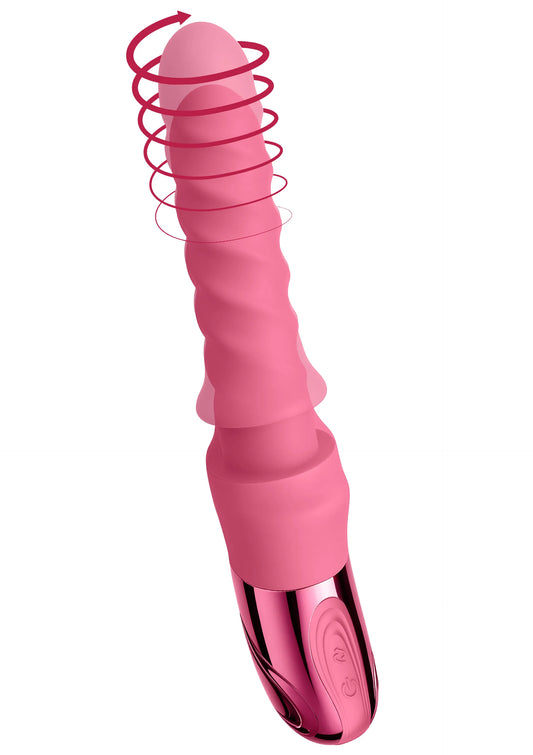
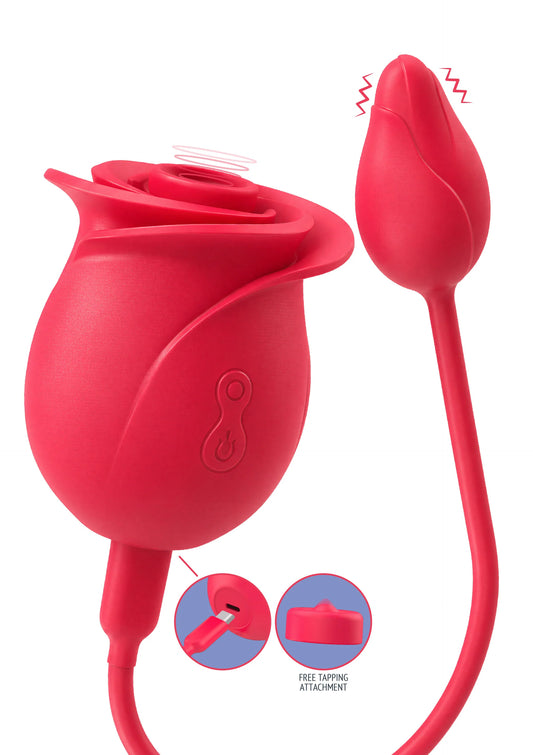
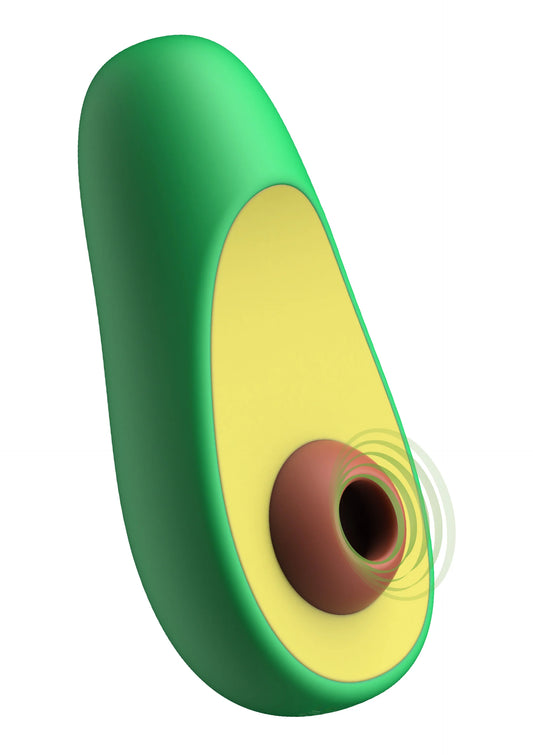
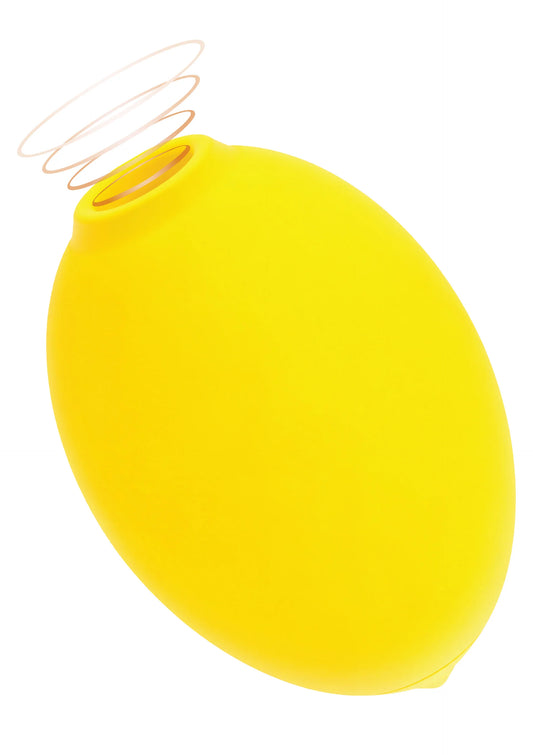
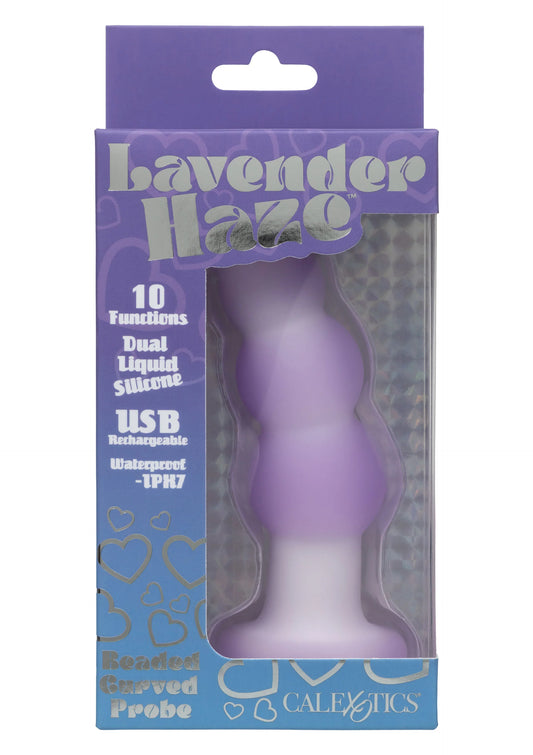
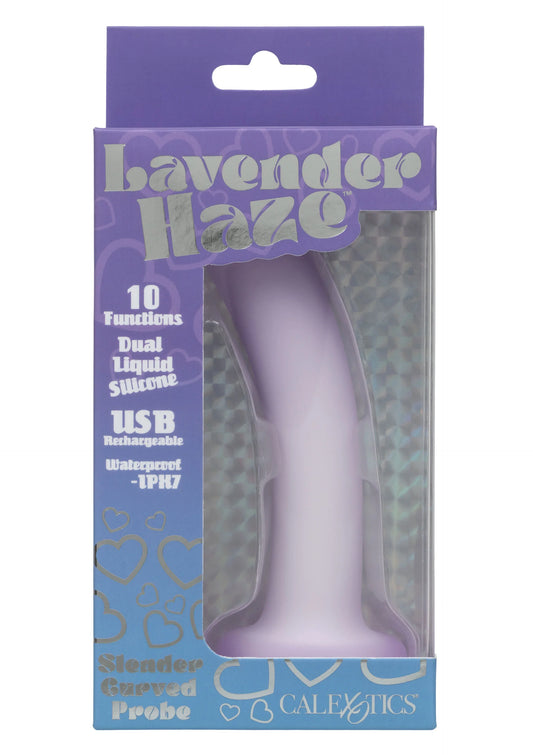
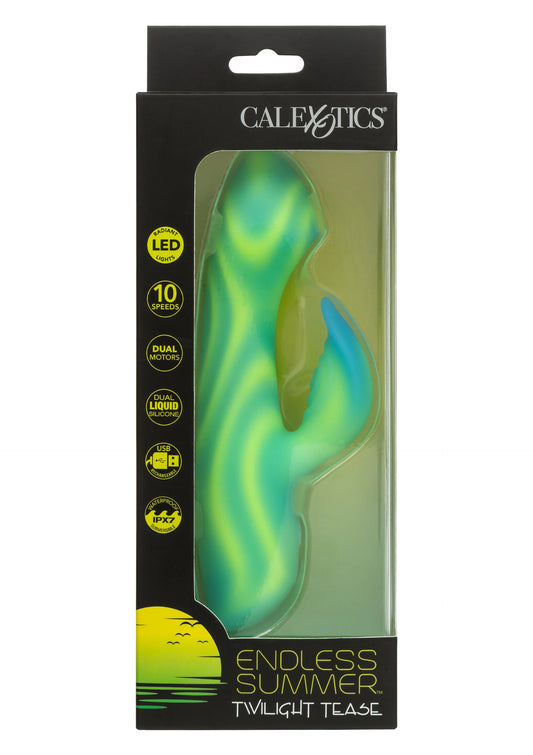
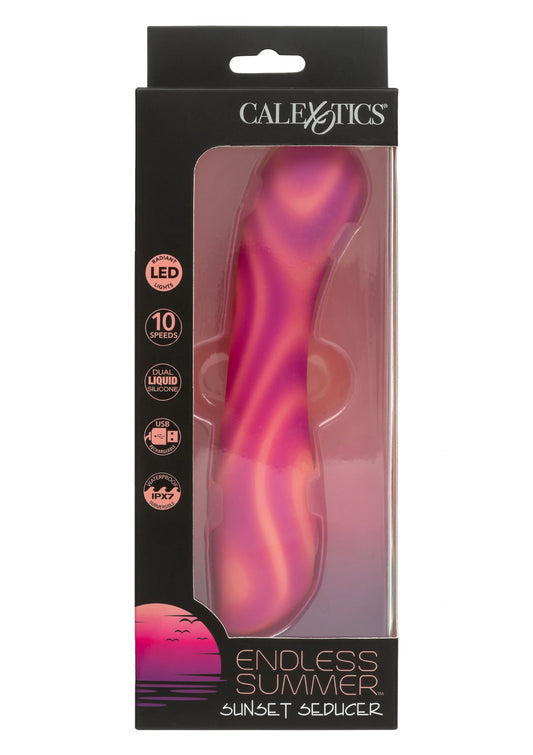
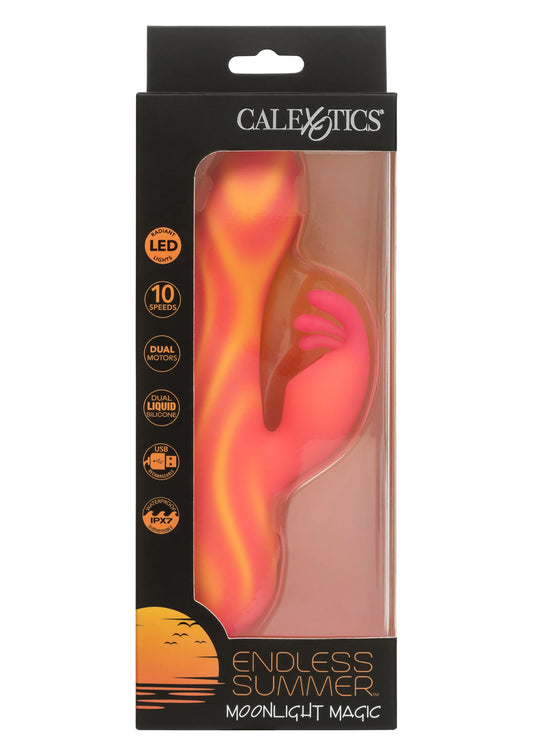
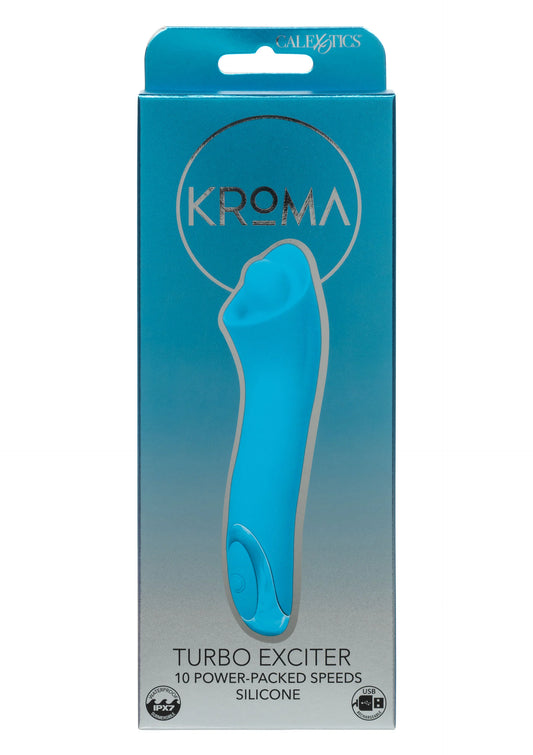
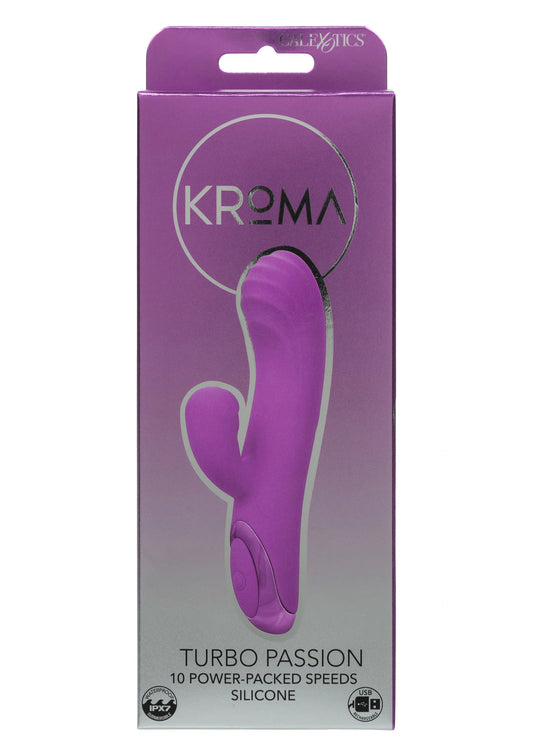
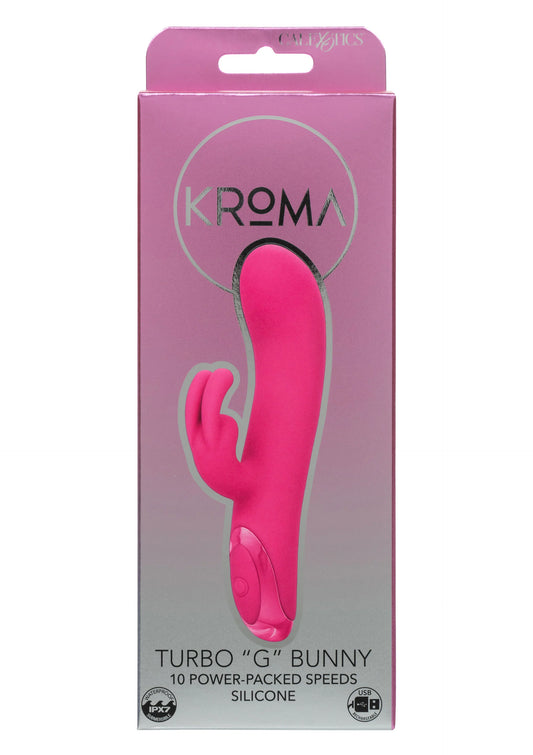
For some women, a vibrator can be a fun way to experiment with this. Not because your body needs to be “repaired,” but because sexuality should remain something to enjoy, even after the menopause.
Need more time for arousal? That is not strange
Give yourself time
Hormonal changes can affect arousal and lubrication. As a result, it can sometimes take longer for your body to respond.
That doesn't mean there is something wrong with you.
Perhaps you used to get aroused spontaneously and now notice that you need rest, touch, and attention first. That is not strange at all.
Sex doesn't have to be a race.
Take your time and let go of expectations.
You don't just have to accept pain during sex
Talk about it
Pain during sex occurs regularly around and after the menopause, partly due to vaginal dryness and changes in the vaginal tissue.
But pain is not a part of sex that you just have to put up with.
If sex is regularly painful, it may be wise to discuss this with your GP or another healthcare professional. There are various treatment options, including local estrogen treatment for certain symptoms.
Listen to your body
My most important rule?
If something hurts, stop and find out why.
Sex shouldn't be something you have to force yourself through.
Intimacy changes with your life
The menopause can coincide with all sorts of other changes. Children become more independent, relationships change, work may be different, and your body perhaps doesn't feel the same as it did ten or twenty years ago.
All these things can affect sexuality. That is why the Menopause Society mentions psychological, social, and relational factors in addition to hormonal changes.
Talk to your partner
A conversation can sometimes change more than a new toy.
Tell them what you enjoy. Also tell them what has changed. Perhaps you have a greater need for foreplay, touch, or relaxation than before.
And perhaps your partner will discover new ways to experience pleasure together as a result.
Sex after the menopause: still fully possible
There is a persistent idea that sexuality becomes less important as you get older.
That doesn't have to be the case at all.
The Menopause Society emphasizes that sexual health remains part of general well-being and that there is no fixed frequency or definition of a “normal” sex life.
In fact: research discussed by the Menopause Society in 2025 found that orgasm and sexual satisfaction do not necessarily decrease with age.
I think that is a beautiful thought.
You don't have to prove anything
Maybe you are in the mood every week.
Maybe once a month.
Maybe not at all.
Maybe that will change again.
There is no scoreboard.
The point is that your sexuality suits you and that you feel comfortable with it.
My tips from Simone ❤️
If I had to summarize everything, these are my most important tips:
1. Talk about it
With your partner, but also with a healthcare professional if you are suffering from something.
2. Use lubricant when you feel the need
Less natural lubrication doesn't mean you have to enjoy sex any less.
3. Give yourself more time
Arousal can change. That is not a failure.
4. Rediscover what feels good
Your body is changing, so it is not strange at all to rediscover what you enjoy.
5. Take pain seriously
Pain during sex is something you can seek help for.
6. Let go of expectations
You don't have to live up to a certain image of how often or how sexually active you “should” be.
Better Happy than Easy
At Happytoys we say:
“Better Happy than Easy.”
For me, that also fits very well with sexuality during the menopause.
Perhaps the easy thought is: “It’s just part of it, so I won't do anything about it.”
But why wouldn't you allow yourself to discover what makes you Happy?
Your body is changing. Your sexuality is allowed to change. Your needs are allowed to change.
And perhaps in this phase you will discover new forms of intimacy, more self-confidence, and a completely different way of enjoying yourself.
The menopause is not the end of your sexuality. It can actually be a new chapter. ❤️
Love,
Simone from Happytoys
Delen